
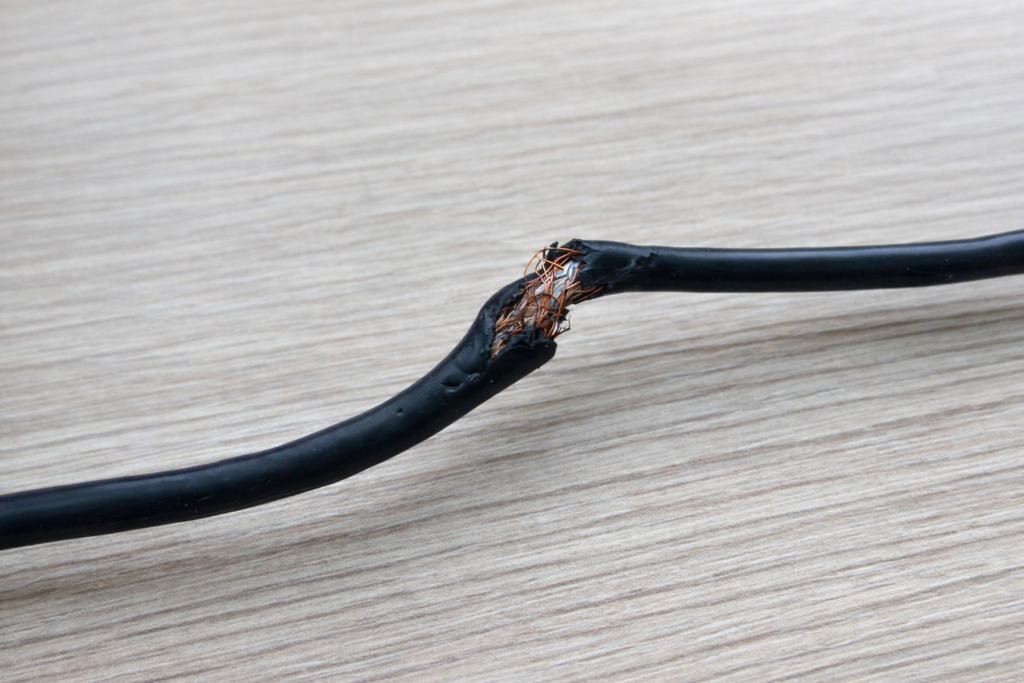
Ethernet cables can easily get damaged by doors, renovation work, pulling force, or aging insulation. When this happens, most people immediately ask the same question: should the whole cable be replaced, should an inline coupler be used, or can a terminal connector solve the problem?
All of these methods are used in real situations, but they are not suitable for the same conditions. If you choose the right one, the repair can be quick and practical. If you choose the wrong one, you may face unstable speed, packet loss, intermittent connection, signal attenuation, and harder troubleshooting later.
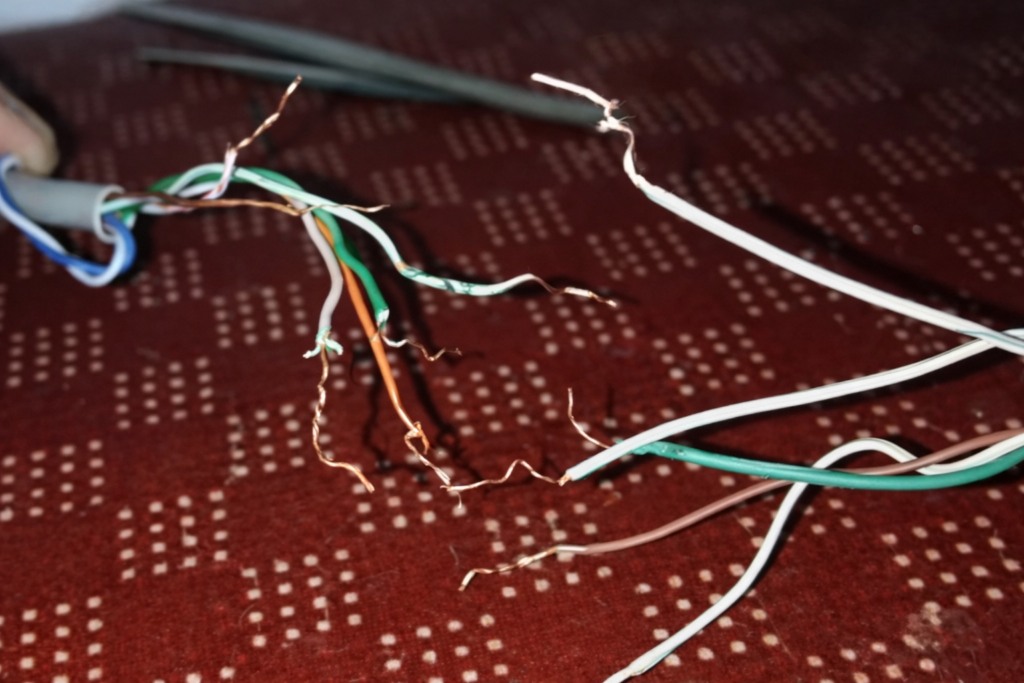
First, What Are the Common Ways to Repair a Broken Ethernet Cable?
When an Ethernet cable is damaged, there are usually three common repair options: replacing the entire cable, using an Ethernet inline coupler, or reconnecting the wires with a terminal connector. Each method differs in stability, installation complexity, and suitable use cases.
1. Replace the Entire Ethernet Cable.
Replacing the entire cable is usually the most reliable solution. Since there is no added connection point in the middle, the cable remains intact, and both transmission performance and long-term stability are generally the best. For applications where stable network performance matters, this is usually the preferred method.
However, it also has clear disadvantages. If the original cable is inside a conduit, behind walls, or routed through a complicated path, replacing the entire line can take more time and cost more in labor and installation work.
2. Repair It with an Ethernet Inline Coupler
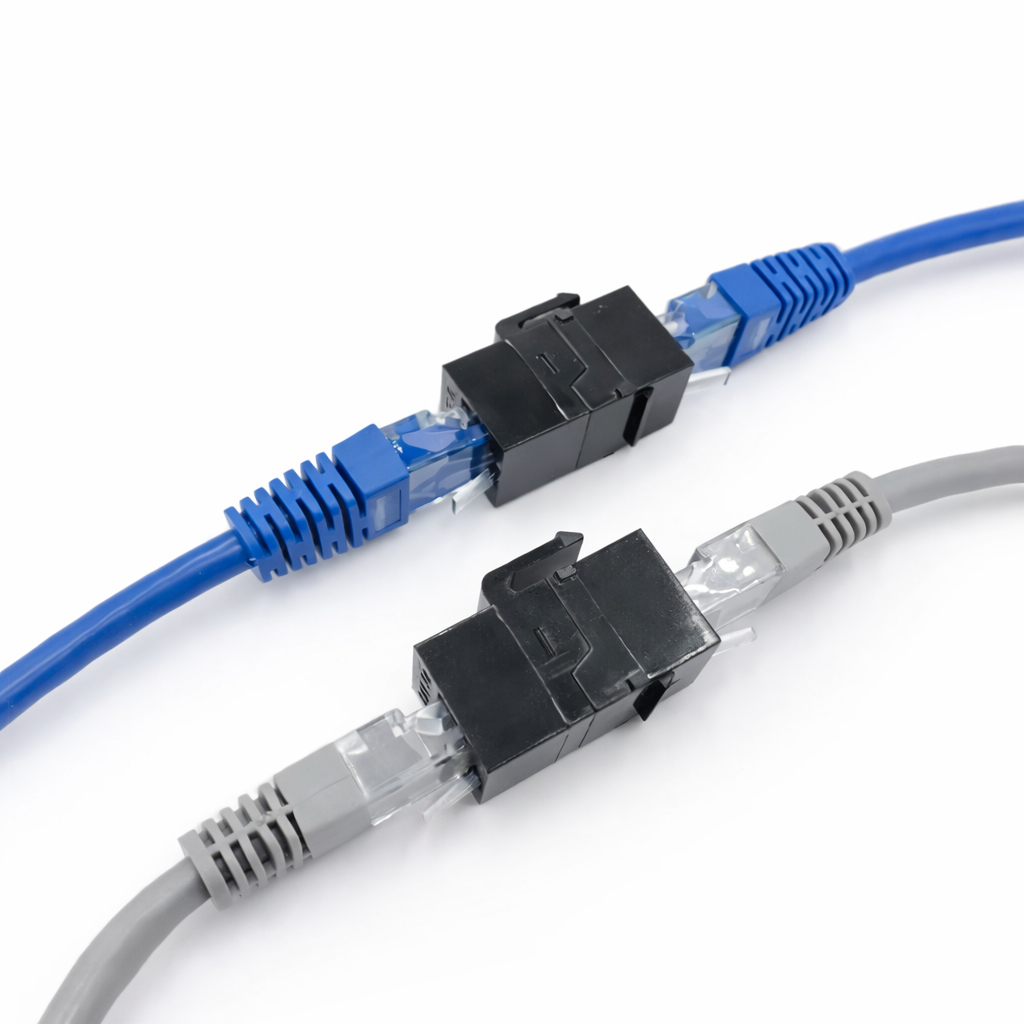
An Ethernet inline coupler is a common way to repair or extend a cable, especially when both sides already have RJ45 plugs or can be re-terminated with new plugs. It is relatively simple to use and widely available, which makes it common in homes, offices, and general low-voltage installations.
Its main advantages are low installation difficulty and fast repair speed. If the coupler matches the cable category and is of good quality, the impact on normal network performance is usually small.
3. Reconnect the Cable with a Terminal Connector
用终端连接器重新连接电缆
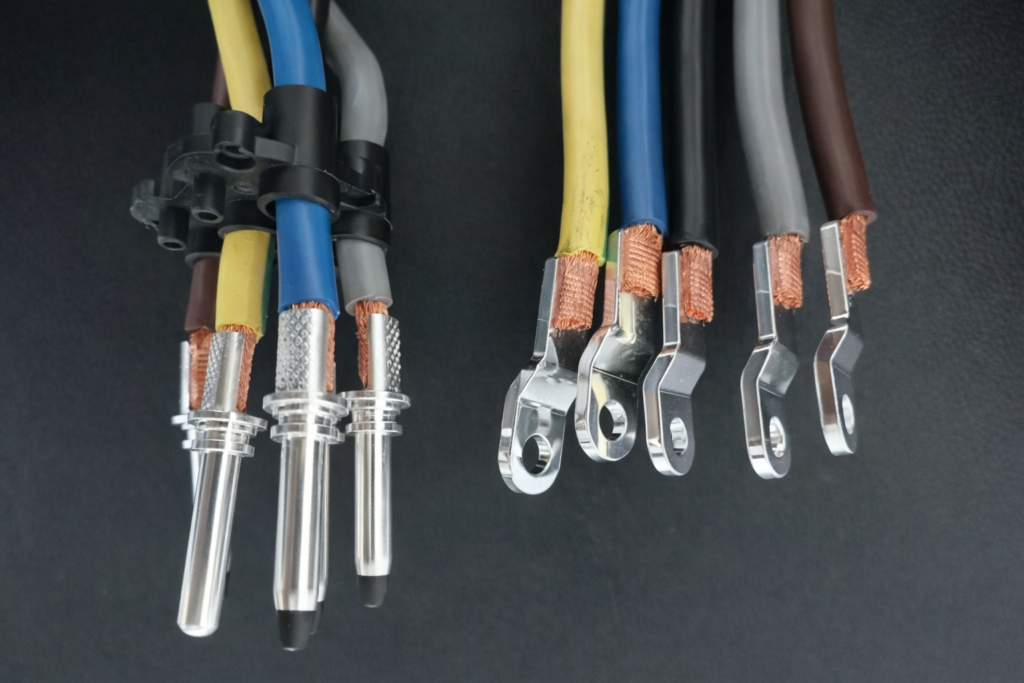
A terminal connector does not work as an interface-to-interface connection. Instead, it reconnects wire to wire. This approach is more suitable for on-site repair, situations without ready-made RJ45 plugs, or cases where each conductor has to be handled individually.终端连接器不能作为接口到接口的连接。相反,它重新连接导线到导线。这种方法更适合于现场维修,没有现成的 RJ45 插头的情况,或者每个导体必须单独处理的情况。
However, Ethernet cable is different from ordinary electrical wire. It has strict wire-pair structure and conductor order requirements, and the twisted-pair construction is critical for signal integrity. Even if the wires are electrically connected, the network may still be unstable if the repair is not done properly.
That is why, for network cables, it is better to choose a repair method that respects Ethernet cable structure and transmission requirements, rather than simply making the cable “work somehow.”
Now, let’s understand how an Ethernet cable coupler works.现在,让我们了解一下以太网电缆耦合器是如何工作的。
An Ethernet inline coupler is essentially a small connector that joins two Ethernet cable ends and makes them function like one cable again. It is also commonly called an Ethernet extender, RJ45 coupler, or straight-through coupler.
Its most common use is to connect two Ethernet cables that already have RJ45 plugs, effectively extending the total cable length. It can also be used for repair: when a damaged section is cut out, both remaining ends can be re-terminated with RJ45 plugs and then joined with the coupler.它最常见的用途是连接两根已经有 RJ45 插头的以太网电缆,有效地延长了电缆的总长度。它也可以用于修理: 当一个损坏的部分被切断,两个剩余的两端可以重新终止与 RJ45 插头,然后与耦合器连接。
The operation is simple. You just insert the two RJ45 plugs into each side of the coupler until they lock in place. In most cases, no extra tools are required, which makes it easy for ordinary users.
It is important to note that inline couplers also come in different types, such as unshielded and shielded versions, and the cable category should ideally match, such as Cat5e, Cat6, or Cat6A. If the coupler is poorly made or does not match the cable type, transmission performance and stability may suffer.
Ethernet Coupler vs. Wiring Terminal: Which Is Better?以太网耦合器与布线终端: 哪个更好?
First, there is one common principle: if you can avoid adding a connection point to an Ethernet cable, that is usually better. Every extra joint adds another possible failure point, including poor contact, signal attenuation, aging, and more difficult troubleshooting later.首先,有一个共同的原则: 如果你可以避免增加一个连接点到以太网电缆,这通常是更好的。每一个额外的连接点都会增加另一个可能的故障点,包括接触不良、信号衰减、老化以及以后更难的故障排除。
So, when repairing a broken Ethernet cable, a high-quality coupler is usually preferred over standard wiring terminals, as it provides more stable performance, less signal loss, and better complies with network cabling practices.在修理断裂的以太网电缆时,高质量的耦合器通常优于标准的布线终端,因为它提供更稳定的性能,更少的信号损失,并且更符合网络布线实践。然而,在实际情况下,更换整根电缆并不总是方便的。这就是当你需要在线内耦合器和终端连接器之间做出选择的时候。关键问题不是哪种方法更好,而是哪种方法更适合你的实际情况。
If It Is Only a Temporary Repair, Which Method Is Easier?
If the goal is simply to restore network access quickly, most ordinary users will find an inline coupler easier to deal with. The reason is simple: the process is more direct, easier to understand, and less likely to go wrong.
This is especially true when both cable ends can be re-terminated with RJ45 plugs. In that case, the coupler is usually the easier solution. With the right tools and materials, the repair process can be completed fairly quickly.
For field technicians, if there is no crimping tool available or the jobsite conditions make a coupler inconvenient, some small terminal connectors can also serve as a temporary solution.
But this only works well if the conductor order is correct, the connection is secure, and the twisted-pair structure is disturbed as little as possible. Otherwise, the cable may appear to work at first but still cause problems later.
Which One Is More Reliable for Long-Term Use?
If your concern is not just temporary connectivity but long-term stability, then the standard should not be whether the cable simply works. You also need to consider packet loss, loosening over time, transmission speed, and whether PoE power delivery remains stable.
In terms of compatibility with Ethernet transmission, a high-quality inline coupler is generally more suitable for Ethernet cable repair than an ordinary terminal connector. Its structure remains closer to a standard RJ45-based connection, so it usually performs better in network applications.
What Should You Avoid When Repairing a Broken Ethernet Cable?
Some repair methods may look quick and convenient, but from the perspective of network transmission quality and long-term use, they carry significant risk.
For example, twisting the conductors together and wrapping them with tape may sometimes “seem to work,” but it is highly unreliable and not a proper repair method.
Likewise, ignoring conductor order, using oversized connectors on thin Ethernet conductors, or making random intermediate joints in long cable runs can all lead to severe speed loss and unstable performance.
If the cable also carries PoE power, improper repair can create even more obvious problems, because it may affect both data transmission and power delivery.
Beyond Ethernet Cable Repair, How Should You Choose Connectors for Everyday Household Wiring?
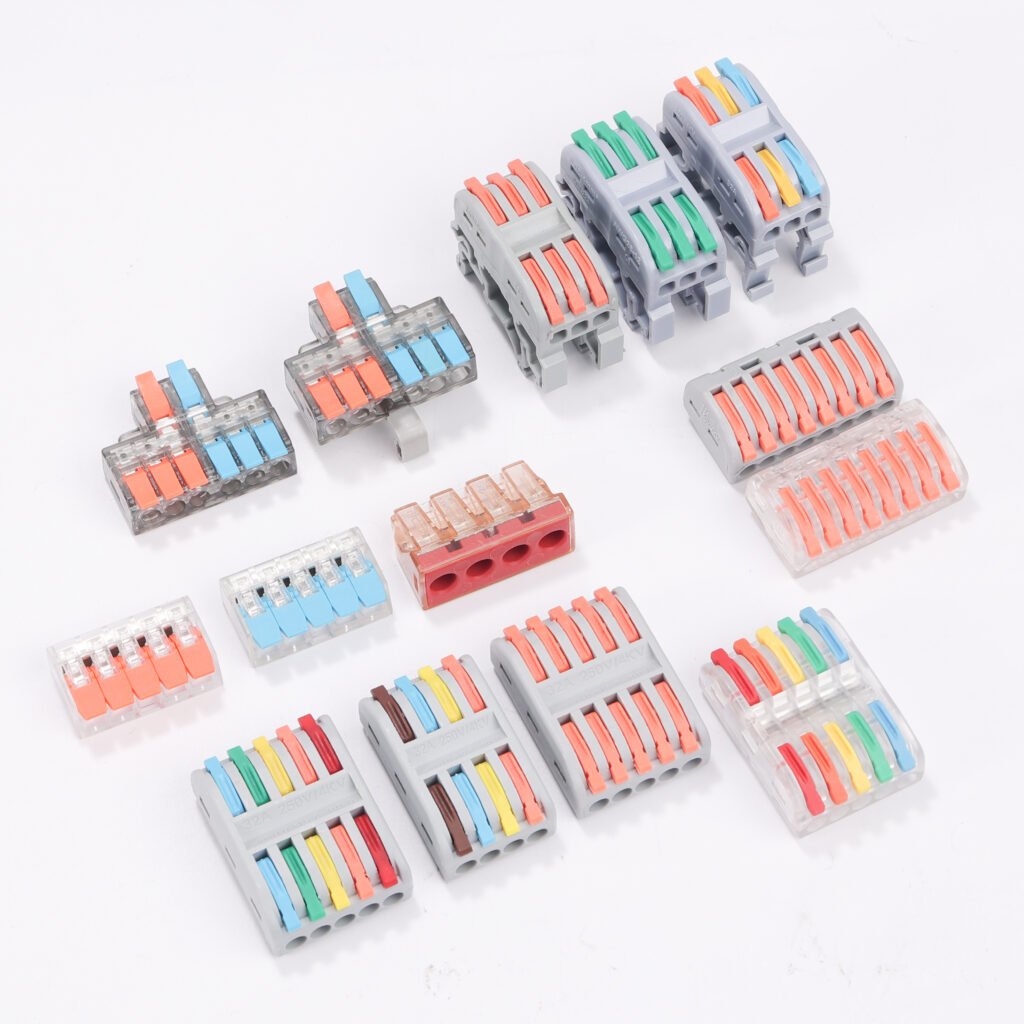
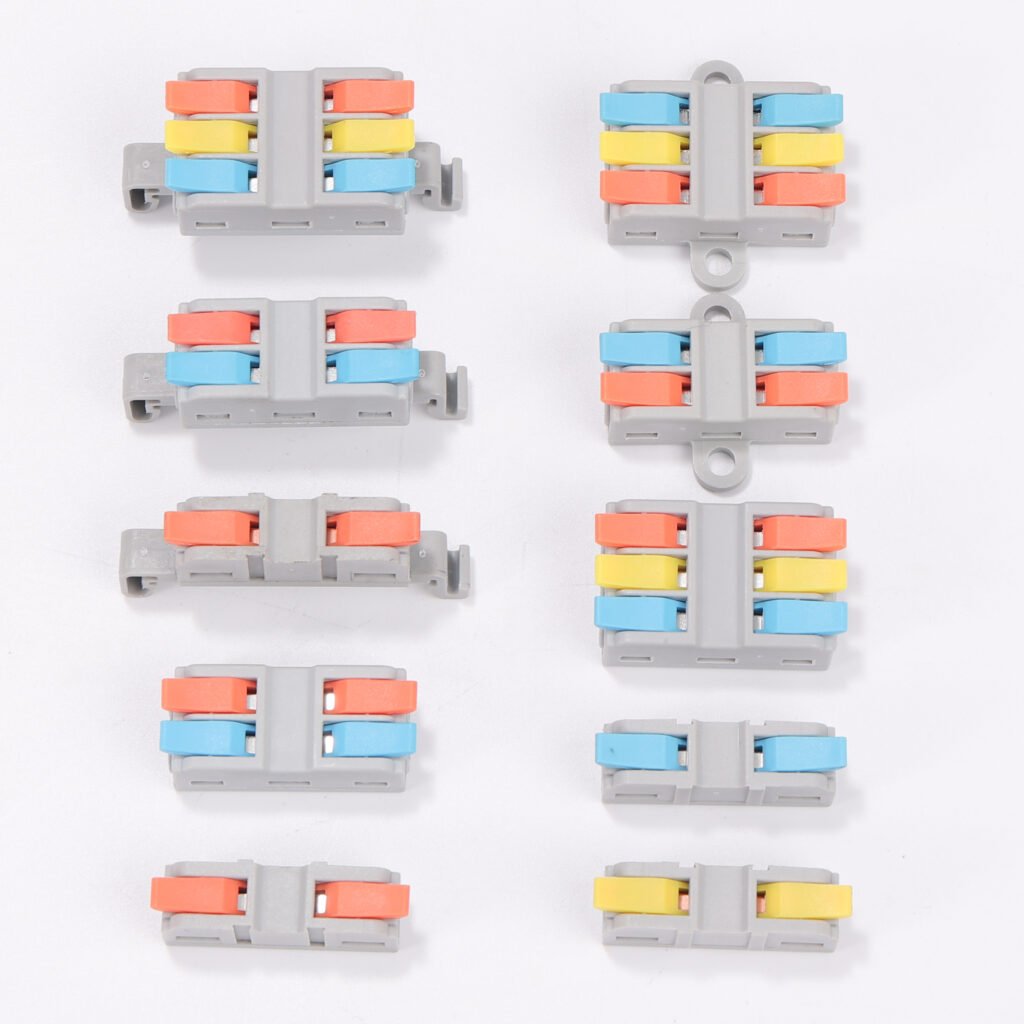
It should be noted that Ethernet cable repair and household electrical wire connection are not exactly the same type of application. For Ethernet cables, which have stricter transmission structure requirements, it is still better to use repair methods that match network connection standards. However, in common household wiring applications such as lighting circuits, appliance leads, and socket modifications, choosing a suitable quick wire connector is often more efficient, more convenient, and easier to maintain later.
In these household wiring scenarios, PCT quick wire connectors are a commonly used solution. They are intuitive to use, easy to install, and suitable for applications where wiring efficiency and neat installation matter.
As a factory-based manufacturer focused on terminal and connector products, Shengling offers a relatively complete product range, including PCT quick wire connectors for household use. In addition to regular product supply, Shengling also supports private label, OEM manufacturing, and sourcing services, making it easier to serve the needs of brand owners, traders, and project buyers.