
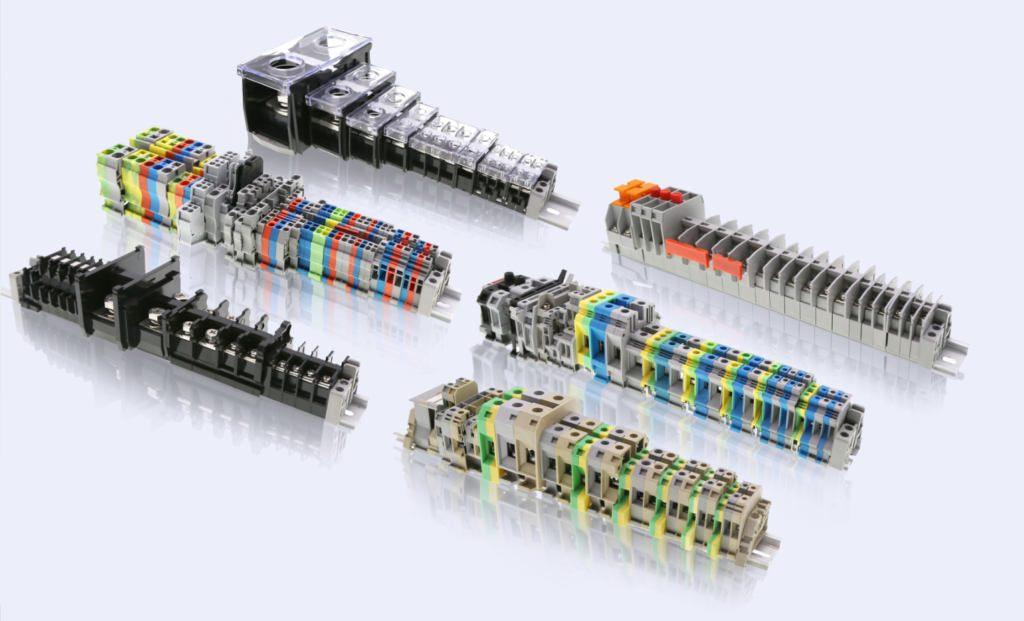
Nowadays, when people need terminal blocks, their first reaction is often to search on Taobao, JD.com, 1688, or cross-border e-commerce platforms. This is convenient and gives buyers many options, but it also creates a problem: similar products often look almost the same, while prices can vary a lot. For most buyers, it is difficult to judge quality based only on pictures and product titles.
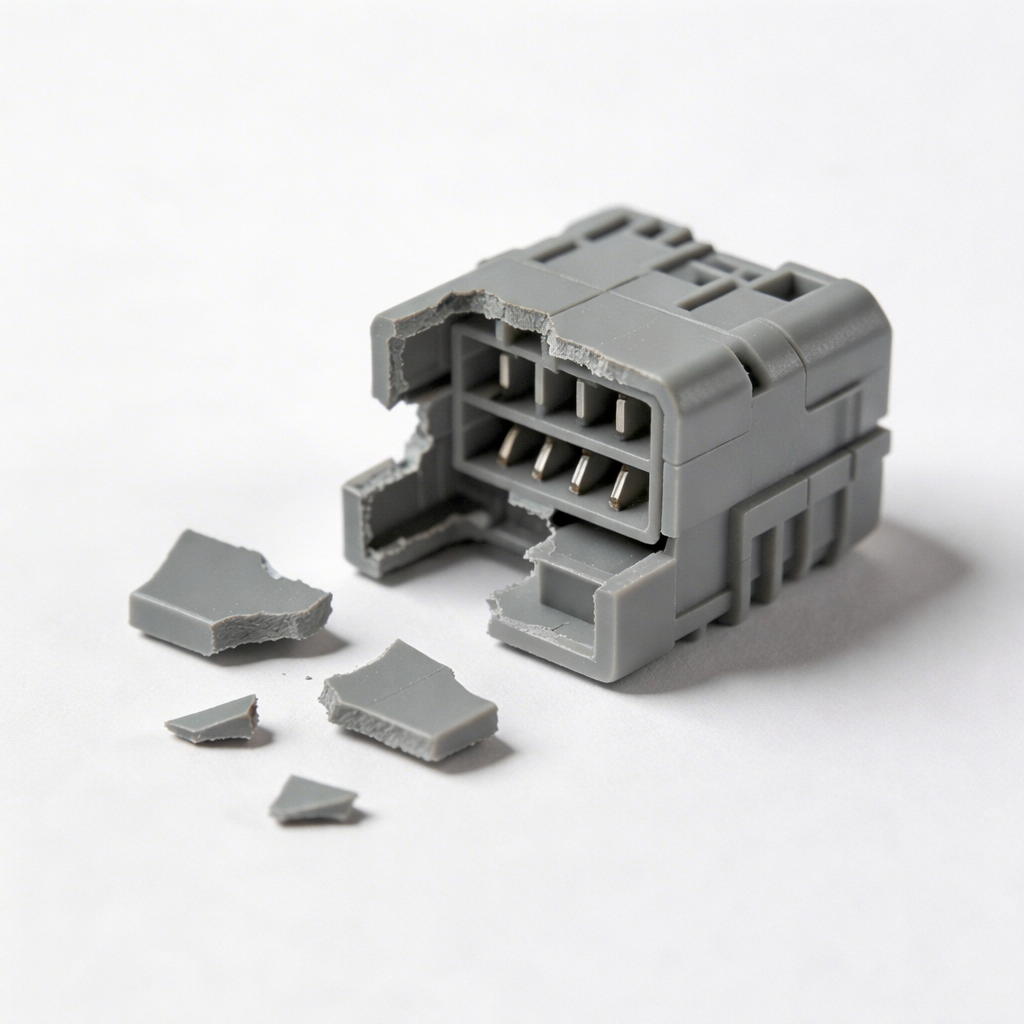
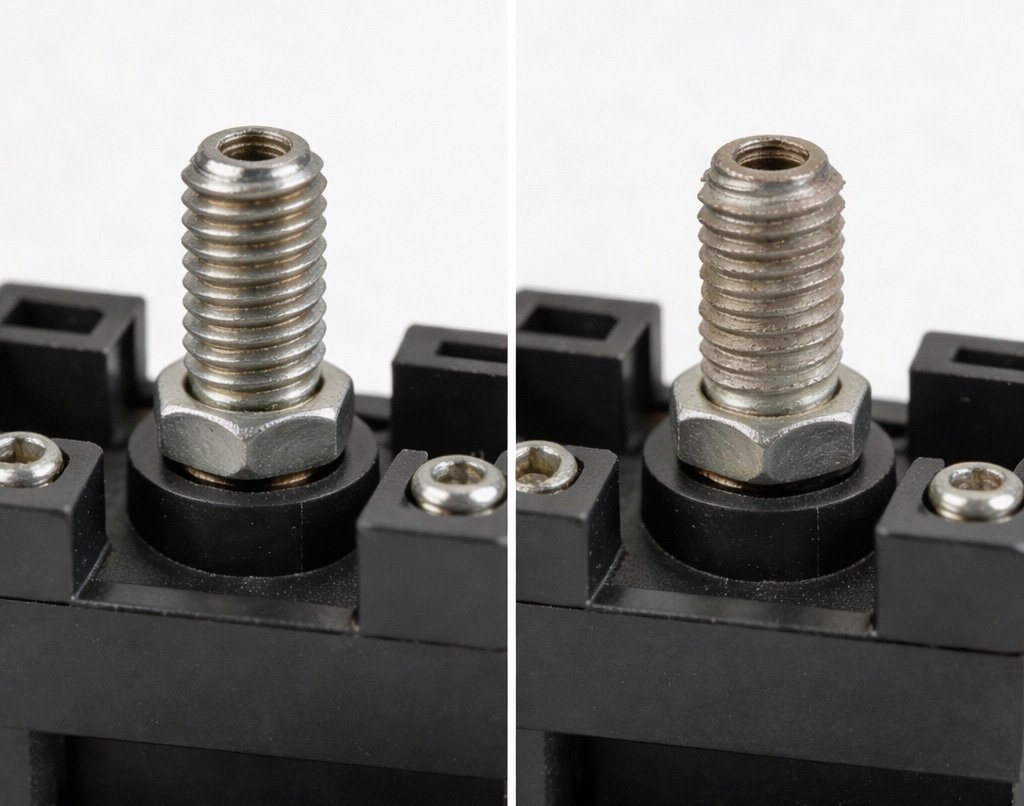
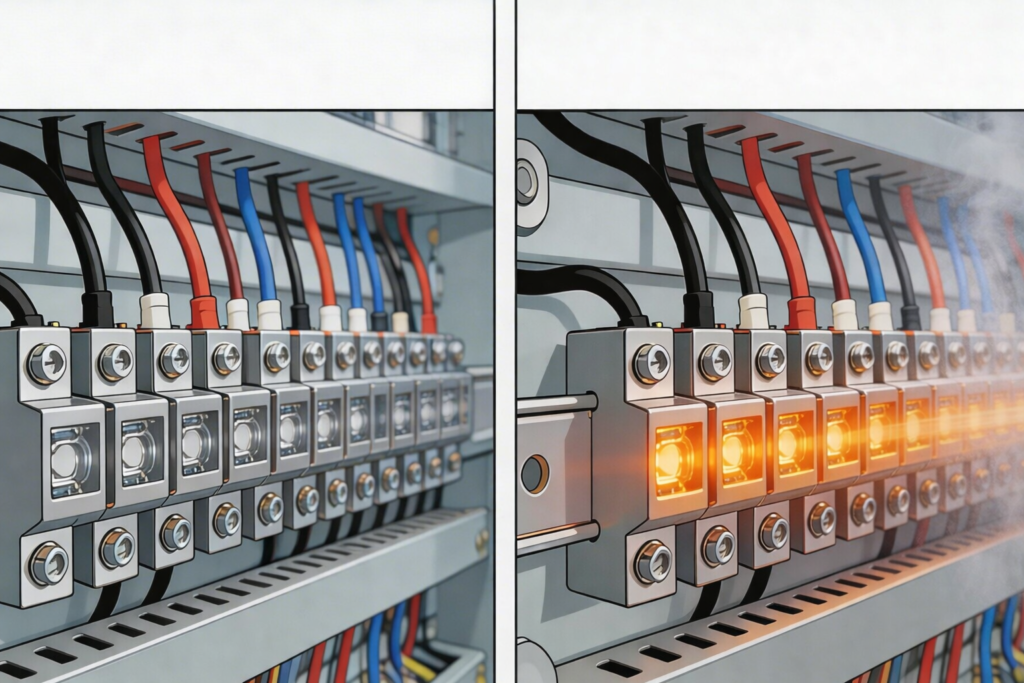
Some low-priced products may seem like a good deal at first, but after receiving them, buyers may find that the plastic housing is brittle, the conductive metal parts are too thin, the wire clamping is weak, the screws strip easily, or the connector heats up noticeably under load. These issues may reduce installation efficiency and user experience at best, and at worst, they may affect wiring safety and long-term maintenance.
So when buying terminal blocks online, the key is not simply to look at price or sales volume. The real priority is to choose the right type and specifications first, and then filter for reliable products through brand reputation, certifications, seller information, and sample testing. This article will explain the process from demand confirmation, parameter evaluation, and platform screening to brand selection and practical ordering tips.
When Buying Terminal Blocks Online, the Biggest Mistake Is Usually Not Paying More, but Buying the Wrong One
Many people think terminal blocks are just small accessories and assume that as long as the wire can be connected, the job is done. In reality, although terminal blocks are small components, they directly affect wiring stability, temperature rise, safety, and the ease of future maintenance.
When buyers choose the wrong terminal block online, the most common problem is not spending a little extra money, but purchasing a model that does not fit the actual application. For example, if the current rating is too low, the terminal may overheat during long-term use. If the wire range does not match, the wire may not fit properly, may not be clamped firmly, or may cause unstable contact. If the mounting method is wrong, it may not be compatible with the existing equipment structure. And if the product is not suitable for the environment, it may fail more easily in humid, high-temperature, vibrating, or dusty conditions.
Therefore, when choosing terminal blocks, the real question is not just whether the wire can be connected, but whether the connection can remain stable and safe over time. That is the real standard for deciding whether a purchase is worthwhile.
Before Ordering, Clarify These Key Requirements First
1. Leave a Safety Margin for Current and Voltage Ratings
When choosing terminal blocks, the rated current and voltage should not be selected only to barely meet the requirement. Many buyers choose products that seem “close enough,” but this approach is risky in practical use. In general, the terminal block’s rated current and voltage should be higher than the actual maximum operating values, with a proper safety margin.
If a terminal block operates at full load or near full load for a long time, the risk of overheating, aging, and poor contact becomes much higher. This is especially important in distribution systems, control cabinets, and continuously operating equipment.
2. The Wire Range Must Match Properly
Terminal blocks are not universally suitable for every wire. Before buying, it is necessary to check the supported conductor cross-section range, usually marked in mm² or AWG.
Even if a terminal block appears to “accept wires,” its compatibility with solid wire, stranded wire, and fine-stranded flexible wire may differ. If the wire size does not match the terminal range, common problems include weak clamping force, unstable contact, loose copper strands, and excessive temperature rise. In some cases, flexible wires should be used together with ferrules to achieve a neater and more stable connection.
3. Confirm the Connection Type First, Then the Mounting Method
There are many types of terminal blocks, and different structures are suitable for different applications. Common connection methods include screw type, spring type, push-in type, and quick wiring type. Each has its own characteristics in terms of installation efficiency, contact stability, and maintenance convenience.
The mounting method also needs to be confirmed in advance. Common types include DIN rail mounting, PCB mounting, panel mounting, and wire-to-wire connection. If there is already an existing equipment structure or wiring scheme on site, it is usually better to keep the new terminal consistent with the existing setup, which makes installation and maintenance easier later.
4. The Operating Environment Directly Affects Selection
Many buyers overlook environmental factors, but these are actually among the most important elements affecting long-term reliability. Will the terminal block be used indoors or outdoors? Will it be exposed to moisture, dust, or vibration? Will it operate in high temperatures or stay energized for long periods? All of these must be considered in advance.
For engineering projects or industrial equipment, it is also important to pay close attention to the operating temperature range, protection level, and flame-retardant requirements. Compared with ordinary household applications, these scenarios usually require stricter product selection.
What Information Matters Most When Buying Terminal Blocks Online?
1. Are the Specifications Clearly and Completely Listed?
Reliable products usually list important details clearly, such as rated current, rated voltage, wire range, number of poles, operating temperature, and material information.
If a product page only shows a few simple images and vague descriptions without clear technical parameters, buyers should be cautious. The more complete the specifications are, the easier it is to make a grounded purchasing decision. Products with datasheets, specification sheets, or testing information are usually more trustworthy.
2. Are Certifications and Material Details Clearly Stated?
When buying terminal blocks online, certifications and material details deserve close attention. Common certifications and standards such as UL, IEC, CE, and RoHS vary depending on the market and application, but they can still help buyers judge whether the seller is professional and whether the product information is transparent.
In addition, it is important to see whether the housing material is described as flame-retardant, such as UL94V-0, and whether the conductive parts are specified as brass, copper, or tin-plated copper. This does not necessarily mean the product is a premium-brand item, but it does show that the manufacturer is willing to disclose key technical details.
3. Product Images and Details Can Reveal a Lot
Although pictures cannot fully guarantee quality, detailed images can still help buyers judge workmanship. Before ordering, it is useful to zoom in and inspect the screws, clamping parts, metal thickness, plastic housing edges, and wire entry structure.
If the images clearly show burrs, whitening plastic, rough structures, or irregular details, buyers should be careful. Good images do not always guarantee good products, but poorly made, blurry, or detail-free product pages are generally harder to trust.
How Can You Tell Whether a Brand or Seller Is More Reliable?
1. Why Many Buyers Prefer to Look at Brands First
Many purchasers and end users first consider well-known brands when choosing terminal blocks, and this is a reasonable approach. Brand-name products are often stronger in specification consistency, quality control, product uniformity, and testing systems.
2. But Big Brands Are Not the Only Worthwhile Option
The strengths of big brands usually include high visibility, mature systems, and strong market recognition, but such products often come with a higher brand premium.
If your project is budget-sensitive, or if the application is a more routine wiring scenario, then after confirming the required specifications and quality level, it is also reasonable to compare some factory-based brands that offer stable quality at a more suitable price.
These manufacturers may not have the same global name recognition as top-tier international brands, but if they are strong in materials, structure design, testing, and production consistency, their actual performance can still be very reliable. For buyers, the real priority is not “the bigger the brand, the better,” but “the right specifications, stable quality, reliable delivery, and reasonable pricing.”
3. What Type of Buyers May Want to Consider a Factory-Based Brand Like Shengling?
If you want solid product quality while also keeping procurement costs under better control, then a factory-based brand like Shengling, which focuses on terminal block manufacturing, can be included in your comparison list.
The value of this type of brand is not simply about offering the lowest price. Instead, it lies in making the product reliable through material selection, structural design, production management, and practical application fit, while also being more flexible in pricing than some major brands.
For many standard applications such as household wiring, lighting, electrical connections, control cabinets, and power distribution, a solution that offers “reliable quality with friendlier pricing” often matches buyers’ real needs more closely. This is particularly true for traders, engineering customers, and bulk buyers, who usually care not only about the product itself, but also about supply stability, model completeness, sampling efficiency, and customization support. These are often strengths of factory-based brands.
Before Ordering Online, These Practical Steps Are Worth Doing
1. Filter by Specifications First, Then Compare Brands and Credentials
Many buyers look at sales volume first, then price, and only later check the specifications. This order often leads to poor choices. A better method is to first filter products by current, voltage, wire range, and mounting method, and then compare brand, certifications, materials, and seller credentials among the shortlisted options.
This way, you first make sure the product is suitable for the application, and only then decide whether it is worth buying.
2. Small-Batch Sampling Is More Useful Than Repeatedly Reading Reviews
If the purchase is for engineering, power distribution, or long-term applications, it is better to buy a small number of samples for testing instead of placing a large order immediately.
During testing, focus on several aspects: whether the terminal is easy to wire, whether the conductor is clamped firmly, whether the structure is user-friendly, whether there is obvious heating after energizing, and whether the housing and metal parts show stable workmanship.
This step is especially useful when comparing several brands or suppliers side by side.
3. Do Not Compare Only Unit Price; Compare Total Cost
Very low-priced products can be attractive, but buyers also need to watch out for reduced metal content, downgraded plastic materials, or cost-cutting in structural design.
If poor terminal quality leads to rework, after-sales issues, downtime, or replacement, the actual cost is often much higher than the small savings from the original unit price.
So in procurement, what really matters is total long-term cost, not just the price of one purchase.
If You Do Not Want to Pay Only for Brand Premium, You Can Choose This Way
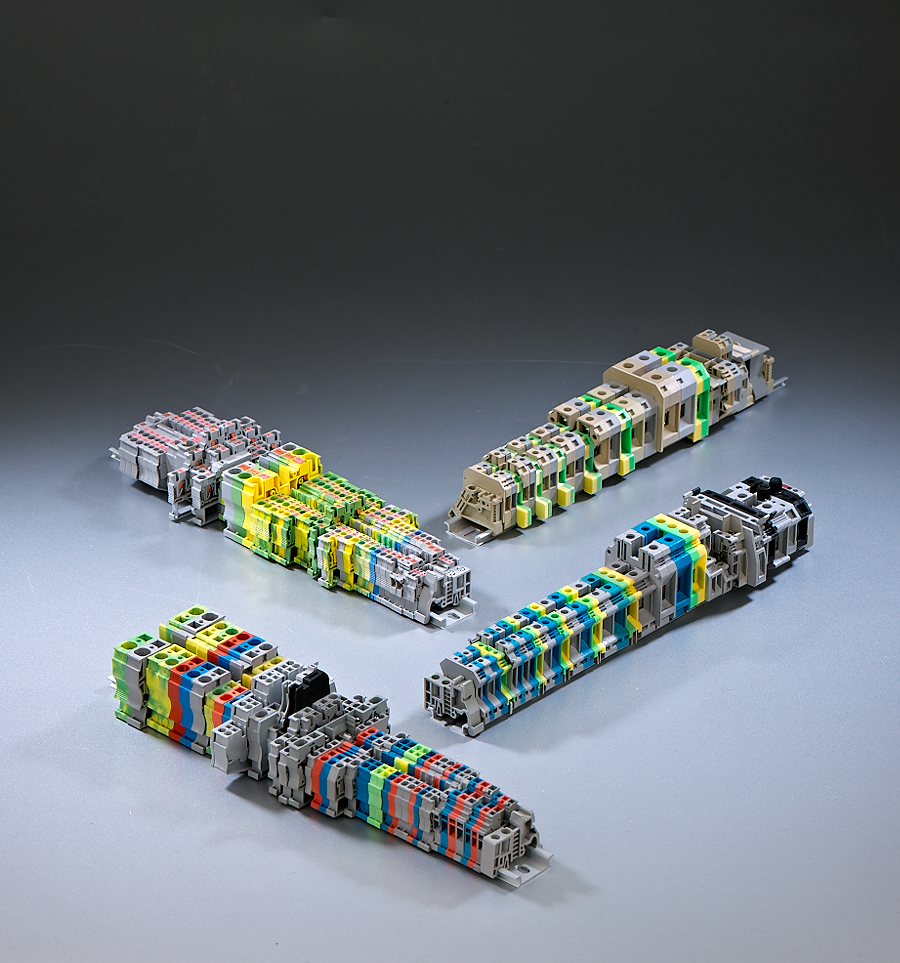
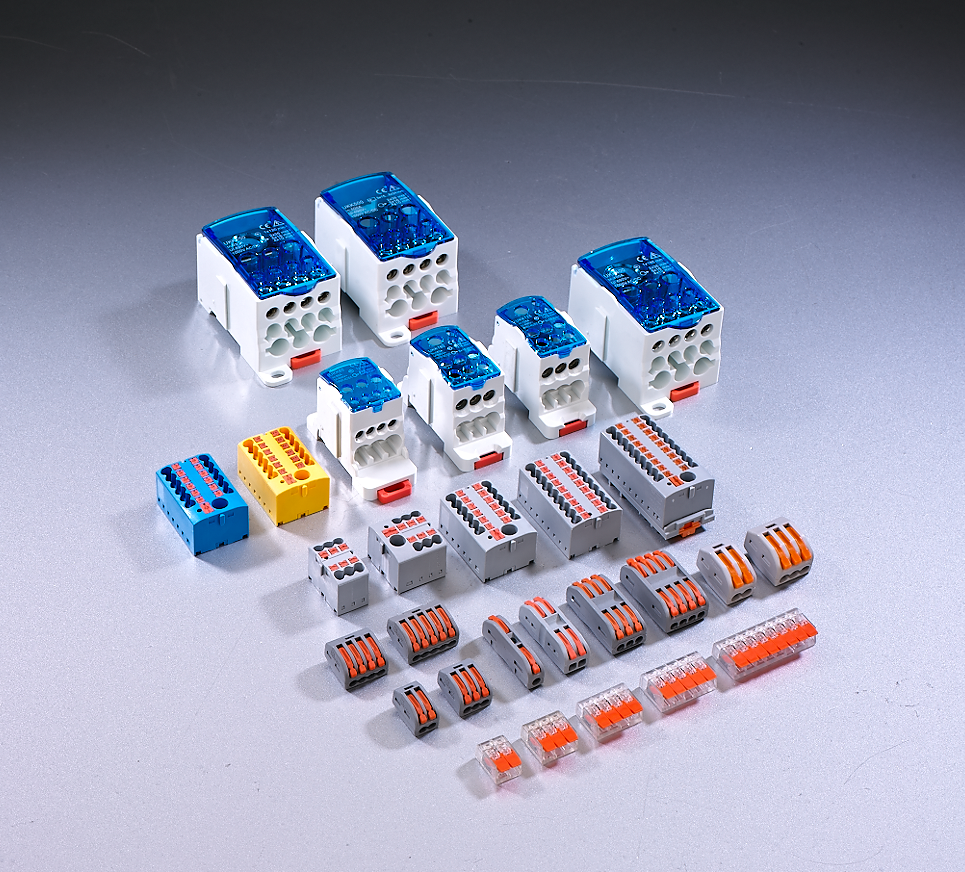
However, if you already know your parameter requirements and understand how to evaluate materials, certifications, workmanship, and seller qualifications, then it is perfectly reasonable to include some stable factory-based brands in your comparison.
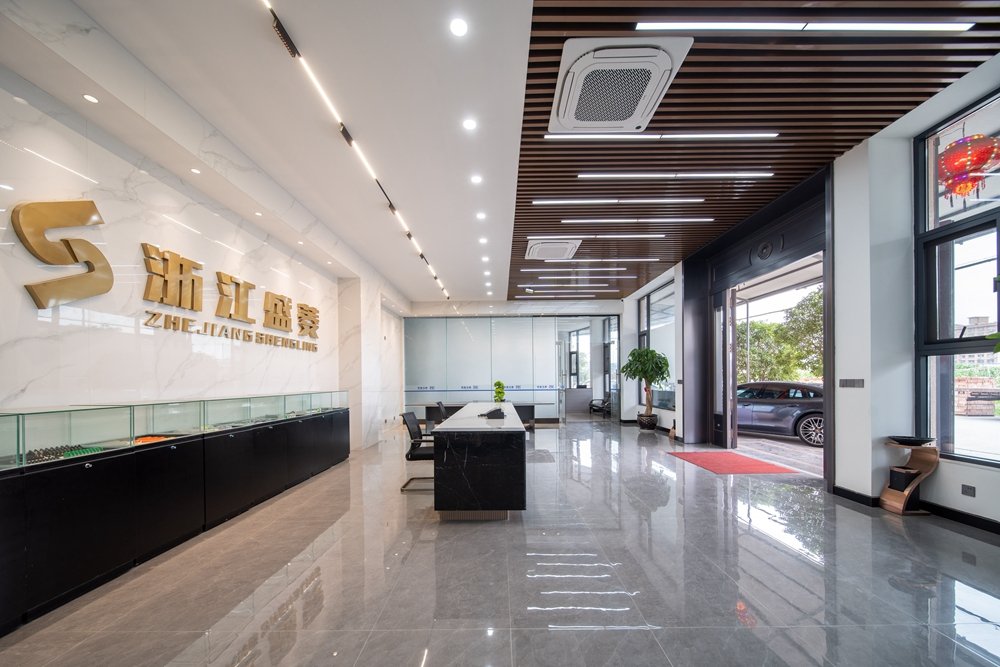

A brand like Shengling may be more suitable for buyers who want to find a balance among quality, pricing, and supply stability. The focus is not just on being cheap, but on offering a more cost-effective option while still maintaining basic product quality and application suitability.
Zhejiang Shenglin Products –